IV Therapy for Cold and Flu Season

You feel wiped out, your body aches, and you cannot seem to drink enough water to catch up. Cold and flu season hits hard when your immune system is fighting on empty. A registered nurse can come to you, review your health history, and deliver fluids and vitamins directly into your bloodstream so your body can focus on recovery.

Mobile IV therapy across the Phoenix metro since 2016.

Cold and flu season is the stretch of months when respiratory viruses circulate widely and your body is more likely to be fighting one infection after another. Many people assume that pushing through with cough drops, chicken soup, and a couple of days of coffee will get them back on track, but when nausea, poor appetite, and fatigue make it hard to keep fluids down, dehydration becomes its own problem on top of the infection. There is no IV drip that cures a virus, and no one should promise you that. What IV therapy can do is address the dehydration, vitamin depletion, and symptom load that make you feel so much worse than the illness alone would explain.

When an experienced Registered Nurse places an IV, fluids and vitamins go straight into circulation and bypass a stomach that may not be cooperating. That means faster rehydration, steadier electrolytes, and immediate access to the B vitamins, vitamin C, and antioxidants your body burns through while fighting an infection. For many people, that is the difference between another day flat on the couch and starting to feel human again.

$325
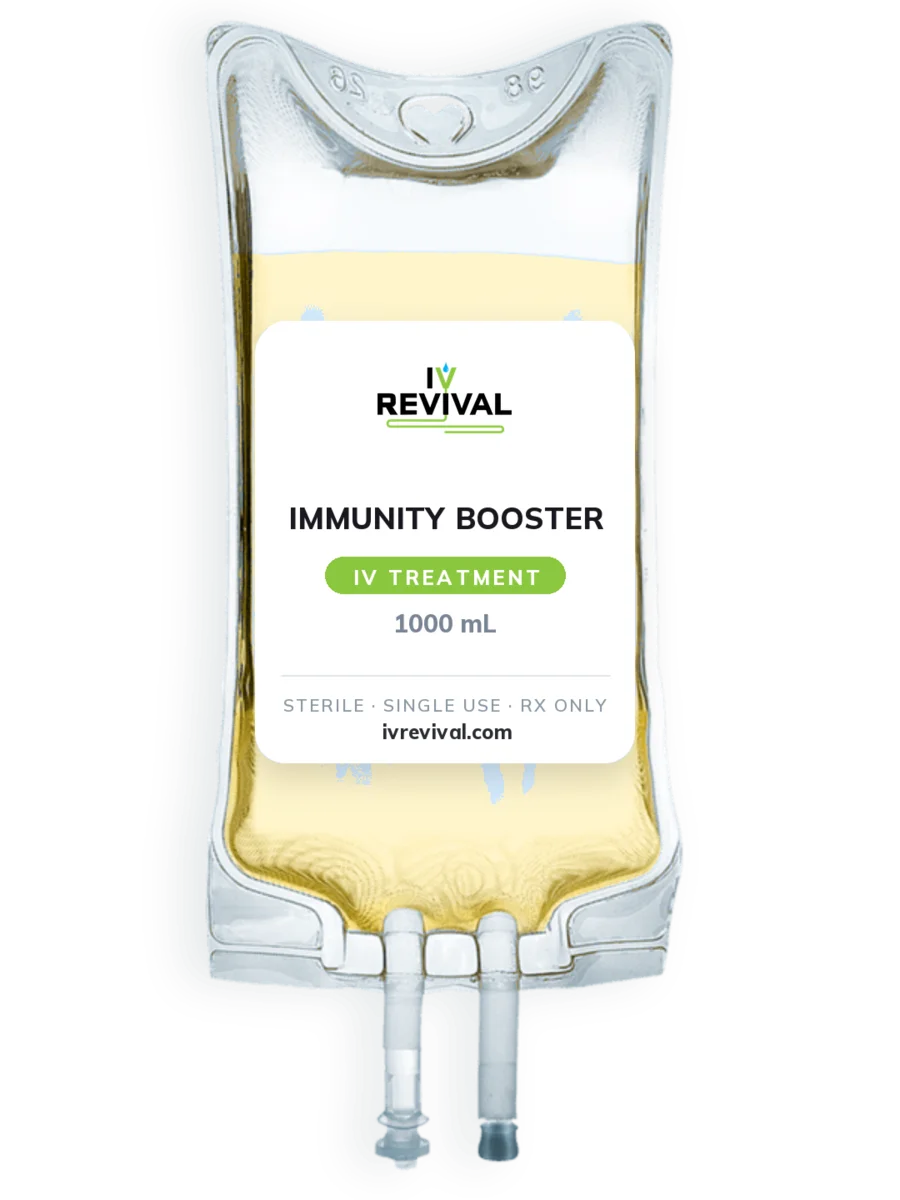
Immunity Booster, recommended for cold and flu
30 to 60 min
for most drips, at home
9 AM to 9 PM
seven days a week
Since 2016
Registered Nurses only
A registered nurse looking up as she checks the drip rate on the stand, in black and white

What's Actually Happening

Feeling awful during cold and flu season is not one problem, it is several overlapping ones. Understanding what is actually happening helps explain why simple rest and water sometimes are not enough.

Dehydration from fever and reduced intake

A fever raises your core temperature and increases insensible water loss through the skin and breath.

Read moreShow less

At the same time, sore throat, nausea, and fatigue make it harder to drink. The result is a drop in circulating blood volume, which leaves you lightheaded, headachy, and even more exhausted.

Cytokine driven inflammation

When your immune system detects a virus, it releases signaling molecules called cytokines.

Read moreShow less

These are what actually cause many of the symptoms you feel: body aches, fever, chills, and that heavy, foggy fatigue. Cytokines are doing their job, but they leave you feeling like you got hit by a truck.

Electrolyte imbalance

Sweating through a fever, vomiting, or diarrhea pulls sodium, potassium, and magnesium out of your body.

Read moreShow less

Low magnesium alone can cause muscle aches, cramps, poor sleep, and worsening headaches, all of which pile on top of the viral symptoms.

Depleted vitamin stores

Fighting an infection burns through water soluble vitamins quickly, especially vitamin C and the B complex.

Read moreShow less

Vitamin C is used heavily by immune cells during the oxidative burst they use to kill pathogens, and B vitamins are cofactors in the energy pathways your cells rely on to keep working.

Oxidative stress

Immune activity produces free radicals as a byproduct.

Read moreShow less

Under normal conditions your body neutralizes them with antioxidants like glutathione, but during an active infection those stores drop. That imbalance contributes to tissue soreness, sluggish recovery, and the general feeling of being run down.

Common Cold and Flu Season Symptoms

Symptoms often build gradually, peak in the early days, and slowly ease over the following week. Some people bounce back quickly, others carry fatigue and poor appetite well after the acute phase.

  • Fatigue and low energy
  • Body aches and muscle soreness
  • Poor appetite
  • Trouble staying hydrated
  • Headache
  • Feeling run down or foggy
  • Chills or low grade fever
  • Sore throat
  • Nausea or upset stomach
  • Congestion and sinus pressure

When to seek emergency care: difficulty breathing, chest pain or pressure, confusion, persistent high fever, severe dehydration with no urine output, or symptoms that suddenly get much worse. These require immediate medical attention, not IV therapy.

Gloved hands adding vitamin pushes to a one-litre bag before it goes up on the stand

How IV Therapy Helps

IV therapy works during cold and flu season because it hits several problems at once. Instead of asking your inflamed, nauseated system to absorb pills and sips of water, a nurse delivers fluids, electrolytes, and vitamins straight into your bloodstream where your body can use them right away.

IV fluids

IV fluids

IV fluids provide rapid rehydration that bypasses your stomach, which is helpful when nausea or poor appetite have kept you from drinking. Restoring blood volume often eases the headache, dizziness, and heavy fatigue that come from being under hydrated.

B complex vitamins

B complex vitamins

B complex vitamins support the enzymes your cells use to convert food into energy, which is exactly what depletes when you are running a fever and not eating well. Restoring them can help lift the flat, foggy feeling that lingers even as the acute symptoms fade.

Vitamin B12

Vitamin B12

Vitamin B12 supports red blood cell production and neurological function, which many people notice as steadier energy and less brain fog during recovery.

Vitamin C

Vitamin C

Vitamin C is used heavily by immune cells during infection. Delivered by IV, it reaches blood levels that are simply not achievable through pills or food, giving your immune system a well stocked supply while it works.

Glutathione

Glutathione

Glutathione is your body's master antioxidant, and stores drop during active infection. Replenishing it helps neutralize the oxidative stress that contributes to soreness and sluggish recovery.

Cold and Flu Remedies Compared: What Actually Works?

Most of the go-to remedies help with one piece of the puzzle. Here is where each one falls short and where IV therapy fits in.

OptionReplaces lost fluidReplaces electrolytesRestores vitamin storesWorks when you are nauseous
Chicken Soup and Hot Tea
Why

Warm fluids soothe a sore throat and add a little hydration, and the ritual of it genuinely helps you rest. What they cannot do is deliver the volume of fluid, electrolytes, and vitamins a fighting body needs, especially when appetite is low.

A little✕✕–
Sports Drinks
Why

Sports drinks replace some electrolytes and provide sugar for quick energy, which is better than plain water when you have been sick for days. They still rely on a stomach that may be nauseated, and the sugar content is higher than most people recovering from illness actually need.

SomeSome–✕
Over-the-Counter Cold and Flu Medicine
Why

OTC medications can mask fever, ease congestion, and dull body aches, which makes the day more tolerable. They do not address dehydration or vitamin depletion, and stacking multiple products increases the risk of doubling up on ingredients like acetaminophen.

✕–✕–
Coffee and Energy Drinks
Why

Caffeine can create a short window of alertness when you are dragging, but it is a diuretic and pulls more fluid out of an already dehydrated body. That usually leaves you feeling worse a few hours later.

✕–––
An IV drip at home✓✓✓✓

IV therapy is the option that addresses hydration, electrolytes, vitamin stores, and antioxidant support in one visit, without asking your stomach to do the work.

When Should You Get IV Therapy for Cold and Flu Season?

IV therapy is most useful when hydration and vitamin stores have fallen behind and you want to recover faster without a trip out of the house.

When it peaks

Day two or three of a cold or flu when fatigue and body aches peak.

A registered nurse adjusting the drip while a client rests on the sofa at home, the stand between them

When you cannot keep fluids down

When nausea or poor appetite have kept you from drinking enough for a full day.

After the fever breaks

After a fever has broken and you feel wrung out and depleted.

A registered nurse placing a line for a client resting in an armchair in his own kitchen-living room

When you feel it coming on

When you feel one coming on and want to support hydration and vitamin stores early.

Getting back to work

During recovery when lingering fatigue is keeping you from getting back to work.

Friends walking a desert path in Avondale with the jagged Estrella Mountains behind them

Why Cold and Flu Season Hits Harder in the Phoenix Desert

Phoenix does not feel like a classic cold and flu region, but the desert climate quietly makes things worse. Winter humidity in the Valley often sits in the teens and twenties, which dries out the mucous membranes in your nose and throat and reduces one of your body's first physical barriers to respiratory viruses.

On top of that, winter is when the metro fills up. Snowbirds, holiday travel through Sky Harbor, packed indoor gatherings from Scottsdale to Gilbert, and school back in session all raise the number of viruses in circulation. If you live in Phoenix, Scottsdale, Mesa, Chandler, Tempe, Glendale, Paradise Valley, Fountain Hills, Peoria, Ahwatukee, or Avondale, you are moving through the same shared air as everyone else during the busiest months of the year.

Many people also stay under hydrated through the cooler months because they do not feel the same thirst cues they get in July. By the time a virus lands, they are already starting from a hydration deficit, which makes the fever, headache, and fatigue phase feel much heavier than it should.

A mobile visit means you can stay in bed, keep your germs at home, and still get real support.

Book a nurse to come to your home anywhere in the Phoenix metro.Book Now
The four IV Revival registered nurses in black scrubs on a shaded Phoenix patio, two of them holding vials

The People Behind Your Treatment

  • Registered Nurses Only

    Every treatment at IV Revival is placed by an experienced Registered Nurse. Never an EMT, a paramedic, or a technician. That standard has been in place since the company was founded in 2016.

  • Founded by Nurse Anesthetists

    IV Revival was started in 2016 by two Nurse Anesthetists who spent their careers placing lines in hospitals and wanted to deliver the same level of care in a more comfortable setting.

  • Board-Certified Medical Director

    Dr. Drew Davenport, a board-certified anesthesiologist with two decades of experience, serves as medical director and oversees the clinical protocols used on every visit.

  • Operating Since 2016

    Nearly a decade of mobile IV experience across the Phoenix metro, serving patients seven days a week from 9 AM to 9 PM.

Frequently Asked Questions

How fast does IV therapy work for cold and flu symptoms?

Many people notice they feel steadier before the bag is even finished, especially if they were significantly dehydrated. Headache, dizziness, and heavy fatigue often ease first as blood volume returns. Vitamin and antioxidant effects build over the following hours as your body puts those nutrients to work.

How long does the treatment last?

Results vary from person to person. Because IV therapy is not treating the underlying virus, symptoms can still come back as the illness runs its course. Some people book a second visit later in the week if recovery is slow.

Can I get IV therapy if I am very nauseous?

Yes. In fact, this is one of the situations where an IV is most useful, because it bypasses your stomach entirely. The nurse will review your history in person before starting. If the nurse feels you need higher level care, they will tell you so honestly.

Is it safe?

IV therapy with IV Revival is placed only by experienced Registered Nurses, using protocols overseen by a board-certified anesthesiologist medical director. Your nurse reviews your health history in person before starting and monitors you throughout the visit. If any part of your history suggests you need a physician instead, the nurse will tell you.

Do you accept insurance?

IV therapy for cold and flu season is considered elective wellness care and is not billed to insurance. Pricing is transparent and listed per treatment so you can decide what fits before booking.

Is IV therapy right for me, and when should I see a doctor instead?

IV therapy is not a cure for a viral infection and no honest provider should tell you otherwise. What it can do is address dehydration, replenish vitamins and electrolytes, and help you feel more comfortable while your body does the work of fighting the illness. Every visit begins with a Registered Nurse reviewing your health history in person before any line is placed. Treatments are mixed on site from company supplied stock so the nurse can adjust based on what you actually need. If your symptoms include difficulty breathing, chest pain, confusion, persistent high fever, or severe dehydration with no urine output, those are emergencies and require immediate medical care, not IV therapy. Every IV is placed by an experienced Registered Nurse. Never an EMT, a paramedic, or a technician. Protocols are developed and overseen by our medical director, Dr. Drew Davenport, a board-certified anesthesiologist. Your nurse reviews your history and current symptoms at the bedside before starting treatment, and can decline or modify the plan if something is not appropriate. Bags are mixed at your location from company supplied stock rather than pre-packed, so the ingredients match what the nurse and your history support.

A registered nurse going through the health history with a client seated on her own sofa, the IV stand ready beside them

Feel human again

Book a Nurse to Your Door Across the Phoenix Metro

Open 9 AM to 9 PM, seven days a week. Book online and we will confirm your visit.

CallBook now